
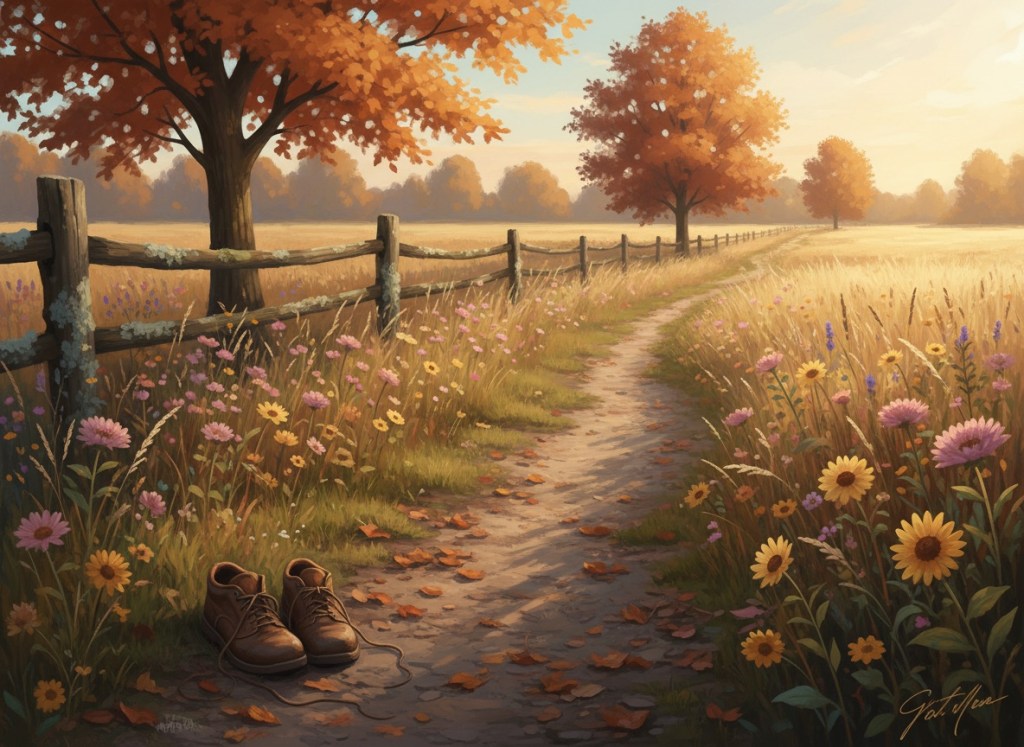
All-or-nothing workouts tend to give you a lot of nothing. A short walk gives you something almost every day.
Somewhere along the way, a lot of us absorbed the idea that movement only counts if it’s intense, sweaty and scheduled like a board meeting. Miss a session and the whole week is “ruined.” So when people talk about the benefits of daily walking for women, it can sound almost too simple, like a participation trophy for exercise.
But as the days get shorter and the evenings get darker, small and steady has started to look a lot more realistic to me than big and heroic. This is about letting movement be small again, and letting that be enough.
Key takeaways
- A short daily walk does more for you than an ambitious workout plan you can’t keep.
- Ten minutes counts. Lower the bar on purpose, and tie your walk to something you already do.
- As the days get shorter, a midday walk may be your best chance at daylight.
The Trouble With All-or-Nothing
All-or-nothing thinking sounds motivated. In practice, it mostly produces nothing. The plan is an hour at the gym five days a week. Then a work deadline hits, a kid gets sick, or it’s simply cold and dark at 5 p.m., and the plan quietly collapses. Since it’s not the full workout, it doesn’t seem worth doing at all.
What I’ve come to believe is that the problem was never willpower. It was the rule that movement had to be big to matter. That rule turns every imperfect day into a failure, and nobody keeps showing up for something that keeps telling them they failed.
The Benefits of Daily Walking (Without the Fitness Hype)
I’m not a doctor, and this isn’t medical advice. If you have health questions about how much or how hard to move, that’s a great conversation to have with your own provider. But in plain, lived terms, here’s what a short daily walk can offer:
A reset for your head. Ten or fifteen minutes outside can be the difference between carrying the morning’s stress all day and setting some of it down on the sidewalk.
Daylight when there isn’t much of it. In late autumn, a midday walk might be the only time you see the sun on a weekday. That alone can make the season feel less heavy.
Movement without the costume change. No special gear, no gym bag, no shower required. Shoes and a door are the whole setup.
A habit that survives real life. A walk is small enough to fit into the messy days, which are, let’s be honest, most of them.
None of this is about burning anything off or changing how your body looks. It’s about feeling more like yourself inside it. I wrote more about that shift in Why I Stopped Exercising to Shrink and Started Moving to Feel Alive.
How to Make Walking a Daily Habit as the Days Get Shorter
A few things that make it easier to keep walking when the weather and the calendar both start working against you:
Lower the bar on purpose. Ten minutes counts. Around the block counts. Walking to the mailbox the long way counts. The goal is to keep the habit alive, not to impress your step counter.
Attach it to something you already do. After lunch, after the school drop-off, after you shut the laptop. A walk tied to an existing moment is much harder to forget.
Plan for the dark. A midday walk might beat an evening one in November. If evenings are the only option, a reflective layer or a well-lit route can make it feel safer and more doable.
Make it pleasant, not productive. A podcast, a phone call with a friend, or total silence. You don’t have to use this time to optimize anything. It’s allowed to just be a walk.
Notice one thing. A tree changing color. The last stubborn wildflowers holding on by the fence. A neighbor’s Halloween decor still up in mid-November. Noticing keeps it from feeling like a chore.
Letting Small Be Enough
Small movement isn’t a lesser version of “real” exercise. For a lot of seasons in life, it is the real exercise. And on the days when a walk is all there is, it still counts. It still connects you to your body, to the air, to the street you live on.
If you want something to try this week, try this: pick a time, put on your shoes, and walk for ten minutes. That’s it. No tracking required, unless you love tracking. Then see how you feel.
The movement-as-medicine guide is coming soon. Join the list to get it first.


Leave a Reply